In port for a day:
the old town is 15 minutes out.
Hakata Port was Japan's busiest cruise port in 2024 — and the city behind it is the easiest shore day in the country. Here's the plan by hours ashore, priced, with the all-aboard margins built in.
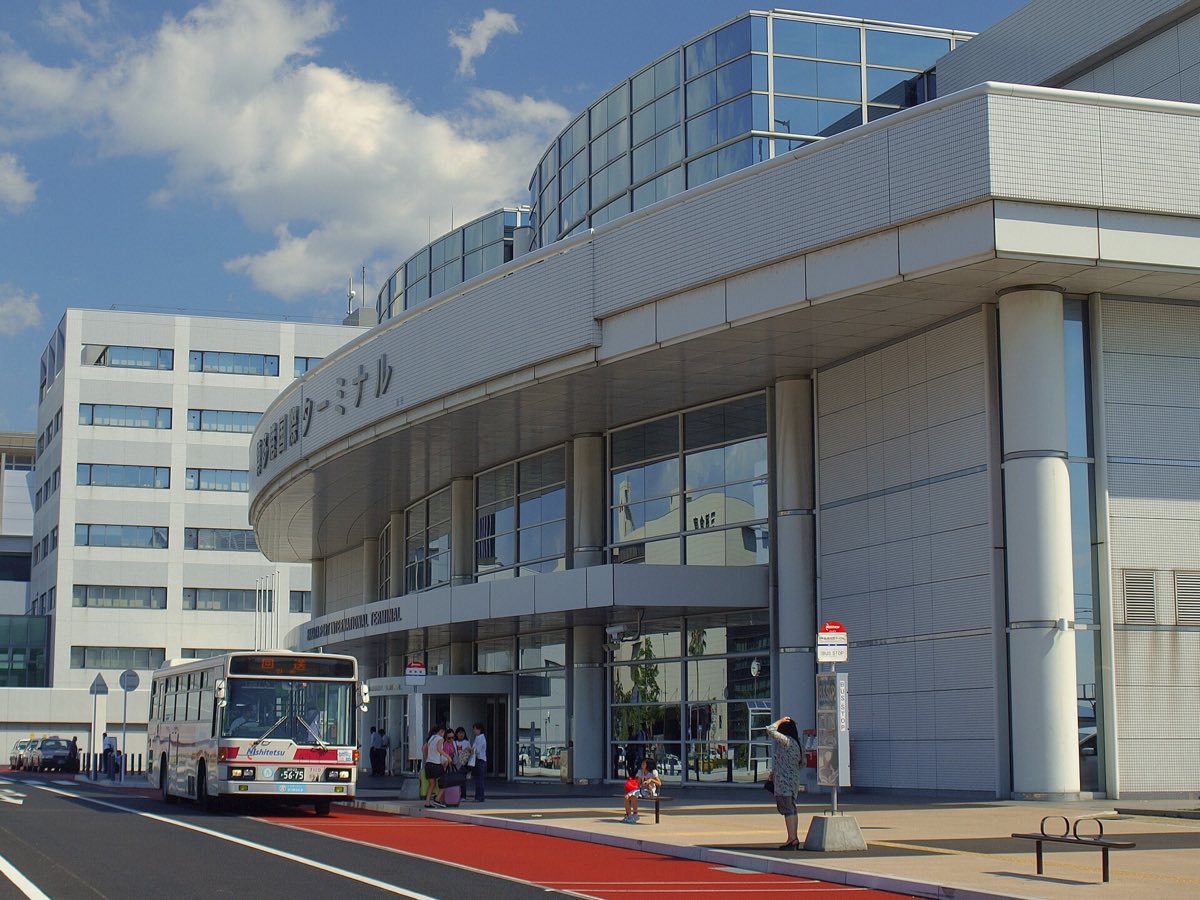
Ships dock at Hakata Port International Terminal, 10–15 minutes by bus or taxi from Hakata Station and the old town — no tender, no long transfer. With 8 hours ashore you can walk the entire temple circuit (¥650/~$4.35 in admissions), eat tonkotsu ramen at its source and see Kushida Shrine's festival float, all self-guided. Book a shore excursion only if you want Dazaifu or Yanagawa — the two big out-of-town targets — compressed safely into a port window. One honest warning: the famous yatai stalls open at 18:00, after most all-aboard times.
The terminal, and the 15 minutes that follow
Getting off the shipHakata Port International Terminal sits on the harbour edge of the city — Fukuoka Now reported it as Japan's busiest cruise port in 2024 with 193 calls, ahead of Naha and Nagasaki, so the arrival machinery is well-drilled. City buses run from the terminal forecourt toward Hakata Station and Tenjin (the central flat zone is ¥150/~$1 once you're in it); the taxi rank clears a shipload quickly and central runs cost roughly ¥1,000–1,500 (~$6.65–10). Walking is possible but dull — save the legs for the old town. Next to the terminal, Hakata Port Tower is free (10:00–20:00, closed Wednesdays) if you're killing pre-boarding time.
Cash first: the places you're going — shrine offering boxes, street food, some ramen counters — prefer coins and notes. Cards and contactless work fine in Fukuoka's stations, malls, konbini and restaurants — the subway gates even take foreign contactless cards directly. The cash line is drawn exactly where you want to eat: yatai are cash-only, and so are some ramen counters and market stalls. Carry ¥5,000–10,000 in cash for a food night and you're covered.
8 hours ashore: the old-town plan
The self-guided dayBus or taxi to Kushida Shrine
Aim for the Gion/Canal City side. Kushida Shrine — the city's guardian shrine, free, with a one-tonne festival float on permanent display — is the right first stop: Kushida Shrine.
The temple circuit — the city's best value
Tochoji's 10.8 m Buddha and ¥50 (~$0.35) hell walk, Shofukuji's Zen grounds, Jotenji's noodle-origin stone, Rakusuien's ¥100 (~$0.67) garden. About 75 minutes of flat walking, ¥650 (~$4.35) total: the temple walk.
Tonkotsu ramen at the source
The dish that conquered the world started here. Queue early or eat at 11:45 — the good counters line up by 12:30: where to eat it.
Kawabata arcade → Canal City → Tenjin
The old covered shopping street, the canal show, then Tenjin's underground arcade if you want shopping or the weather turns: Canal City and Tenjin & Daimyo.
Back with an hour's margin
Taxi from Tenjin or Hakata back to the terminal is 10–15 minutes without traffic — take the hour margin anyway; all-aboard is not a suggestion. Souvenir mentaiko from the station food halls survives the voyage.
When a shore excursion actually earns its price
The booked alternativeThe city itself needs no tour. Book one for the two targets that don't fit safely in a self-guided port window: Dazaifu's great shrine and Yanagawa's canal punts, with a driver who answers to your all-aboard time.
What your port window honestly allows
Hours ashore| Ashore | The play | Out of town? | Verdict |
|---|---|---|---|
| 4–5 h | Temple circuit + ramen only | No | TIGHT |
| 6–8 h | Old town + Tenjin (this plan) | Not solo | WORTH IT |
| 8–10 h | Add Dazaifu — excursion or early Nishitetsu | With care | DEPENDS |
| Overnight call | The yatai at 18:00 — finally | Yes | THE PRIZE |
Dazaifu solo from a cruise call: Nishitetsu from Tenjin, ~25 minutes each way plus the transfer to Tenjin — doable on an 8-hour-plus window, but the excursion removes the missed-all-aboard risk. Ranked alternatives: day trips.
The Fukuoka cruise day, answered
FAQPage schema pairedHow far is Hakata Port from the city?
About 10–15 minutes by bus or taxi to Hakata Station or Tenjin — Fukuoka is one of the shortest port-to-city transfers on a Japan itinerary. There's no tender and no rail leg; buses leave from the terminal forecourt, taxis from the rank at arrivals.
Do I need a shore excursion in Fukuoka?
Not for the city — the old town is flat, compact and self-guiding, and this page is the plan. Book an excursion only for Dazaifu or Yanagawa, where the driver absorbs the all-aboard risk, or if you want the temple district narrated: the 2-hour guided walk runs about $41.
Can I see the yatai food stalls on a cruise day?
Only on an overnight call or a very late all-aboard — the stalls open at 18:00, after most ships want you back. If your ship stays late, one stall in the Tenjin row is the single best hour Fukuoka offers a visitor; the rules are at the yatai guide. Otherwise, ramen at lunch is your Fukuoka food story.
Is Dazaifu doable from the ship without a tour?
On 8+ hours ashore, yes with discipline: taxi to Tenjin, Nishitetsu to Dazaifu (~25 minutes), two hours at the shrine and its street, and back with a fat margin. The main hall reopened in May 2026 after its once-in-124-years reroofing, so you're seeing the real thing: Dazaifu, done right.
What should I buy before reboarding?
Mentaiko (spicy cod roe — the city's signature, vacuum-packed for travel), Hakata-ori textiles, and hiyoko chick-shaped cakes, all in the Hakata Station food halls on your way back. Note Japan's tax-free rules switch to refund-at-departure from 1 November 2026 — for a cruise call, just pay the tax and keep it simple.
Is Fukuoka a good cruise stop compared to Nagasaki?
They're different jobs: Nagasaki is a monument-and-history day; Fukuoka is a food-and-atmosphere day with Japan's easiest port logistics. If your itinerary calls at both, don't duplicate — do temples and ramen here, history there. Deciding whether to come back for longer: is Fukuoka worth it.
Related tickets, tours and stays
More ways to bookDeep links to specific products for the places on this page. Prices and availability are shown by each provider.